Newcastle United fan culture is one of the most recognizable parts of English football. The club’s supporters, known as the Magpies and often associated with the wider Geordie identity, have built a reputation for loyalty, passion, and an unusually strong connection with their team.
That relationship goes beyond simply watching a football match. For many supporters, Newcastle United is connected to family, the city, memories, local pride, and the shared experience of following the club through good and difficult periods.
The Premier League has also documented how international supporters have formed deep personal connections with Newcastle, showing that the club’s appeal now stretches well beyond the North East of England.
Why Newcastle United Fans Are So Passionate
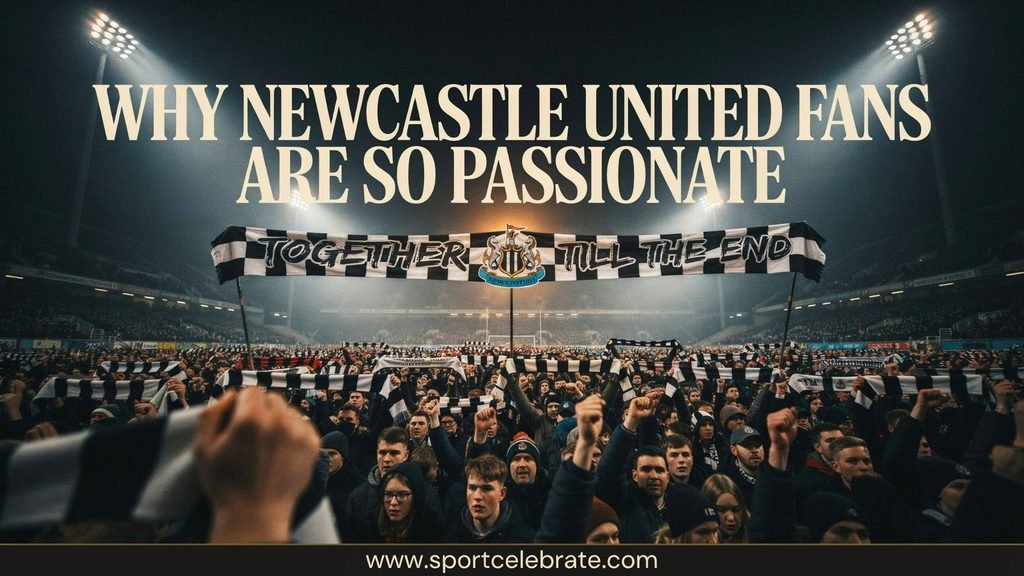
The first thing that stands out about Newcastle supporters is their emotional investment. Football is important in many English cities, but Newcastle has developed a particularly strong relationship with its club.
St James’ Park sits close to the heart of the city, making the stadium an important part of the local landscape rather than something separated from everyday life.
On matchdays, the surrounding area changes. Supporters gather, shirts appear throughout the city, and conversations quickly turn toward the latest game, players, results, and expectations. That creates a sense that the club belongs to the community.
The relationship can also survive difficult periods. Newcastle have experienced disappointing seasons, relegation battles, managerial changes, and long periods without major silverware.
Yet supporters have continued to follow the team. That persistence is one of the defining features of Magpies culture.
Must read about: Sports Technology: How Innovation Is Changing Competition
The Geordie Connection
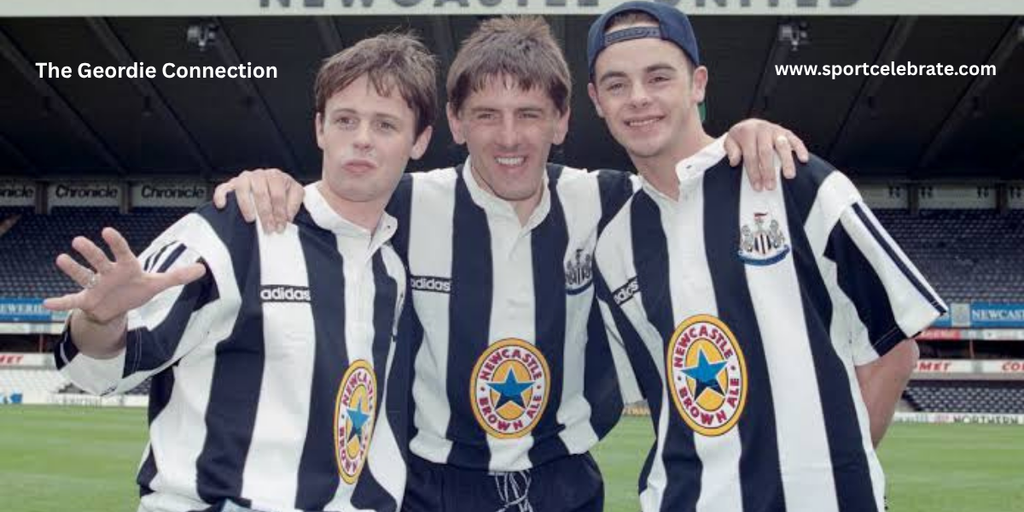
Newcastle United cannot easily be separated from the culture of Tyneside. The term Geordie is strongly associated with people from the Newcastle and wider North East area, and the identity has become closely linked with the football club.
This connection gives Newcastle a distinctive personality. A supporter isn’t necessarily interested only in league position or individual players.
The club can represent where someone grew up, the people they watched matches with, and the traditions passed through generations.
For younger supporters, going to a match can become a family tradition. A parent may introduce a child to the club, who later introduces another generation. This is how football culture becomes part of everyday life.
Family and Football Traditions
Football memories often begin long before a supporter understands tactics or league tables. A child may remember a first visit to St James’ Park, a famous goal, a particular player, or the sound of thousands of supporters singing together.
Those memories can become powerful emotional links. The Premier League has highlighted examples of Newcastle supporters whose relationships with the club became family traditions.
One US-based fan described how supporting Newcastle eventually became something he shared with his grandparents, illustrating how football can create connections between people who may otherwise have different interests.
St James’ Park and the Matchday Experience

St James’ Park is central to Newcastle United fan culture. The stadium is not simply a place where 22 players compete. For supporters, it is a gathering point where local identity and football come together.
The atmosphere can change dramatically depending on the match. A major league fixture, a cup tie, or a crucial late-season game can create a different emotional environment.
Supporters respond to tackles, chances, goals, mistakes, and controversial decisions. The crowd becomes part of the match experience.
That is especially important in football because the relationship between players and supporters is interactive. A strong start can energize the stadium, while a difficult performance can create frustration.
Players also understand the importance of that connection. In December 2025, for example, Newcastle supporters strongly backed Nick Woltemade after a difficult previous performance.
The German forward said the crowd singing his name helped him feel supported, and he responded with two goals against Chelsea. That moment shows how supporter culture can influence the emotional side of football.
Why the Magpies Nickname Matters
Newcastle United are widely known as the Magpies, a nickname linked to the club’s famous black-and-white striped shirts.
The nickname has become part of the language surrounding the team. Supporters may refer to themselves as Magpies, while newspapers, broadcasters, and football communities regularly use the term when discussing Newcastle.
It also adds to the club’s visual identity. The black-and-white stripes are immediately recognizable, and the combination of the nickname, colors, stadium, and local identity creates a strong sporting brand.
But the nickname means more than branding for supporters. It has become part of the culture built around generations of following Newcastle.
The Role of Loyalty in Newcastle Culture
Loyalty is one of the biggest themes in Newcastle fan culture. Supporting a successful team can be exciting, but supporting a club through difficult periods creates a different type of relationship.
Newcastle supporters have experienced both extremes. There have been seasons when the club competed for major honors and periods when survival was the main objective. The emotional investment remained.
The club’s 2025 EFL Cup victory was especially significant because Newcastle ended a 56-year wait for major silverware. Supporters celebrated the achievement with an open-top bus parade through the city.
That celebration demonstrated how much a trophy can mean when supporters have spent decades waiting for one.
It wasn’t simply a cup win. For many fans, it represented years of memories, disappointment, hope, and loyalty finally coming together.
Newcastle and the Tyne-Wear Rivalry

No discussion of Newcastle supporter culture would be complete without mentioning Sunderland. The Tyne-Wear derby is one of the most emotionally charged rivalries in English football.
Newcastle and Sunderland represent neighboring communities in the North East, and the rivalry has produced memorable matches and intense supporter reactions over many years.
Derbies create a different type of pressure. League position can become secondary for a day. A win against a local rival can become a defining memory, while a defeat can remain painful for years.
Historic moments become part of supporter culture through songs, stories, photographs, and repeated conversations. That is why rivalries matter so much to football communities.
They give supporters shared memories and create traditions that can survive long after individual players and managers have left.
Famous Players and the Supporter Connection
Players become important figures in any football culture, but Newcastle has produced several especially strong connections between players and supporters. Alan Shearer is perhaps the clearest example.
The former striker became a symbol of Newcastle United and the North East. His status among supporters demonstrates how a player’s relationship with a club can develop into something much larger than statistics.
The Premier League has also documented the reaction of Newcastle supporters to Shearer, including international fans who travelled to events simply because of their admiration for him. Other players have created their own memories.
A spectacular goal, a crucial save, or a dramatic derby performance can turn a footballer into part of the club’s history. Supporters don’t simply remember numbers. They remember moments.
Newcastle Fans Beyond England
Modern football has changed the way supporters connect with clubs. Newcastle’s fan base is no longer limited to people living around Tyneside.
There are supporters across the United States and around the world who follow matches, buy shirts, join supporter groups, watch games together, and travel to St James’ Park.
The Premier League has highlighted several stories showing how Newcastle’s international fan base creates communities far from England.
One Denver-based supporter described trying to find fellow Newcastle fans in different American cities and organizing places to watch matches together.
This is an important part of modern football culture. A supporter can live thousands of miles away and still feel connected to a club.
Must read about: Dominik Szoboszlai: Style, Role and Rise in European Football
How Social Media Has Changed Supporter Communities
Social media has made this connection even easier. Fans can discuss a game immediately after the final whistle. They can debate team selections, celebrate goals, criticize performances, and share memories with people they may never meet in person.
For Newcastle supporters, these online communities extend the matchday experience. A fan in Newcastle and another in New York can watch the same game, react to the same goal, and have a conversation within seconds. That creates a global version of the traditional football community.
Supporters and the Wider Newcastle Community
Fan culture also extends beyond football itself. The Newcastle United Foundation has worked on community projects involving sport, education, health, and wellbeing.
A community hub near St James’ Park was developed to support work in the local area, showing how the club’s wider ecosystem can connect football with community activity.
The relationship between football and community is especially important in cities where the club has become part of local identity.
Supporters can therefore contribute to the club’s influence even when there isn’t a match taking place. Football becomes a platform for bringing people together.
Football as a Community
This community role can take many forms. It can involve grassroots football, supporter groups, charity activities, local events, or simply people gathering to watch matches together.
The important point is that football provides a shared language. People who may have very different backgrounds can still find common ground through their club.
Newcastle’s supporter culture illustrates that idea particularly well.
What Makes the Magpies Stand Out?
Several characteristics come together to create Newcastle’s distinctive supporter identity:
| Feature | Why It Matters |
| Geordie identity | Connects the club with local culture and Tyneside |
| St James’ Park | Provides a powerful central meeting point for supporters |
| Black-and-white identity | Reinforces the recognizable Magpies image |
| Loyalty | Support remains strong through difficult periods |
| Rivalry | The Tyne-Wear derby creates powerful shared memories |
| Family traditions | Supporting Newcastle can pass between generations |
| Global fandom | International supporters extend the club’s community |
| Community work | Football connects with wider social activities |
These elements work together rather than separately. A club may have passionate supporters, a famous stadium, or a strong visual identity. Newcastle has all of these elements combined with a particularly deep local connection.
Why Newcastle United Fan Culture Continues to Grow
The modern era has given Newcastle supporters new opportunities to share their identity. International broadcasting means more people can watch matches. Social media allows supporters to communicate instantly.
Global tours and fan events can introduce the club to new audiences. At the same time, the traditional foundations remain.
Local supporters still attend matches. Families still pass down their allegiance. Historic rivalries still matter. Famous players still become part of the club’s story.
That combination of old and new is important. Newcastle can expand internationally without completely losing the local identity that made the club special in the first place.
Must read about: Women’s Super League: Teams, Growth and What to Watch
Final Thoughts
Newcastle United fan culture stands out because it is built around more than football results. The Magpies have a powerful relationship with Tyneside, a famous home at St James’ Park, a distinctive black-and-white identity, historic rivalries, generations of supporters, and an increasingly global fan base.
The emotional side of that culture is perhaps its greatest strength. Supporters celebrate together when the team wins, suffer together when results go wrong, and preserve memories long after a match has ended. The 2025 EFL Cup triumph showed just how meaningful a major trophy can become after decades of waiting.
That is why Newcastle United remains more than a football team to many supporters. The Magpies represent a community, a city, a history, and a shared experience that continues to bring people together—both around Tyneside and far beyond it.
FAQs
Why are Newcastle United fans called Magpies?
Newcastle are known as the Magpies because of their famous black-and-white identity and long-standing nickname.
What makes Newcastle fan culture special?
Its strong Geordie identity, loyalty, traditions, stadium atmosphere, and community connection make it distinctive.
Why is St James’ Park important?
St James’ Park is the home of Newcastle United and a major gathering point for supporters and the local community.
Who are Newcastle’s biggest rivals?
Sunderland are Newcastle’s major local rivals, with their matches forming the famous Tyne-Wear derby.
Do Newcastle have fans outside England?
Yes. Newcastle has a large international following, with organized supporters and fan communities in countries including the United States.

Will Smith, founder of SportCelebrate.com, shares the best sports gear and celebration finds to fuel your passion and joy.